The criteria that actually matter
Unlike more technical gear like shoes, choosing an outfit for Hyrox stays relatively simple — but a few criteria deserve attention to avoid discomfort over a 60-90 minute effort that alternates running and strength movements.
Breathability first
A technical, moisture-wicking fabric remains far preferable to cotton, which absorbs moisture and quickly becomes heavy and uncomfortable. Most sports brands offer suitable technical ranges, no need for premium branded gear for a first race.
Freedom of movement
Your outfit needs to allow full range of motion on technical movements (deep lunges, squats, carries) without ever restricting the movement. Test your outfit in training over full sessions before wearing it in the race, to catch any potential discomfort.
Upper body: technical tee
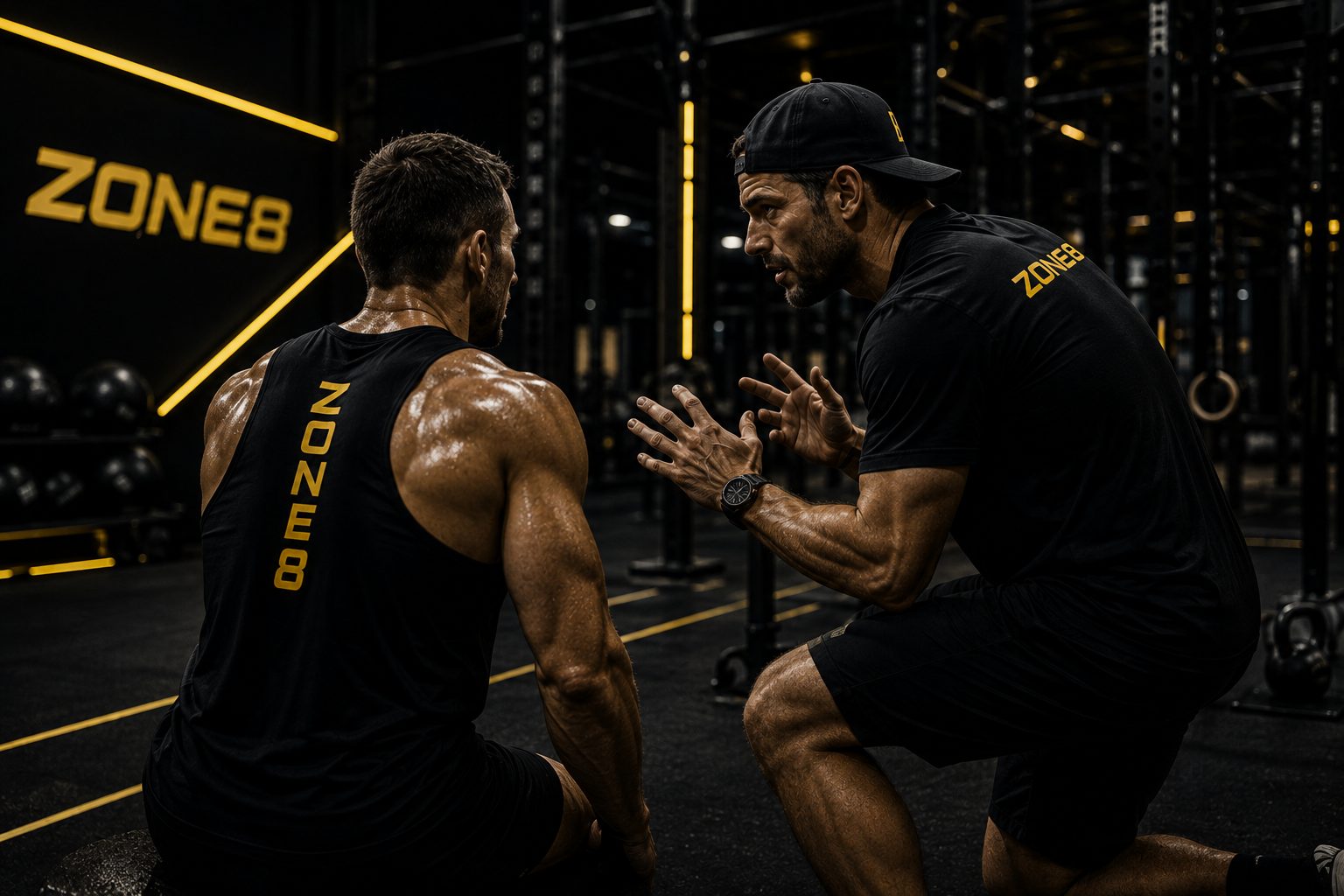
A fitted, non-compressive technical tee remains the most common choice, avoiding excessive chafing while leaving full freedom of movement. Some athletes prefer a tank top for better heat dissipation, particularly relevant for the hottest slots of the day.
Lower body: shorts or leggings
The choice between shorts and leggings remains largely a matter of personal preference. Leggings offer extra protection against sled push and pull friction, particularly useful for athletes who practice this station kneeling or in close contact with the ground. Shorts offer better ventilation and a sense of freedom some prefer, especially on running segments.
If you're torn, test both options in training on sessions that faithfully reproduce the running-stations alternation, rather than discovering your preference on race day.
Accessories to consider
- Mid-calf technical socks — offer extra protection on the sled without being essential
- Gloves or palm protection — useful for comfort on sled push/pull and carries, test them beforehand to make sure they don't hinder grip
- Headband or cap — for managing sweat, particularly useful for indoor slots with heavy crowds
- Lower back belt — remains optional, best reserved for athletes with a specific identified need, rather than a systematic addition
Adapting your outfit to event conditions
Race conditions vary by event: some races happen indoors with controlled temperature, others outdoors with more unpredictable weather. Slightly adapting your outfit to these specific conditions — an extra layer easy to remove for a chilly morning start, a lighter outfit for a hall overheated by crowds — avoids discomfort from poor thermal dosing, distinct from the fabric choice covered above.
Testing your outfit before race day
The golden rule stays the same as for shoes: never wear a completely new outfit on race day. A seam that chafes, a fabric that doesn't breathe as well as expected, or a fit that hinders a specific movement — all of that only shows up in real training conditions, never in a store.
A final word on style
Beyond functionality, many athletes enjoy wearing an outfit they visually like for the occasion — a real motivation lever that shouldn't be underestimated. As long as the essential functional criteria are met, there's no reason to sacrifice this personal pleasure for a race that is, also, a moment to savor.
Test your gear under real effort conditions
ZONE8's free program alternates running and stations just like in competition, to validate your outfit before race day.
Start FreeFAQ
Shorts or leggings?
Both work, it's a matter of preference and comfort with sled friction.
Should you wear compression gear?
Not required, but some appreciate the support feeling on a long effort. Test it in training.
What fabric for the top?
A breathable technical fabric remains preferable to cotton, which retains sweat.
This content is provided for informational purposes. ZONE8 does not recommend any specific brand and receives no commission on sporting goods.